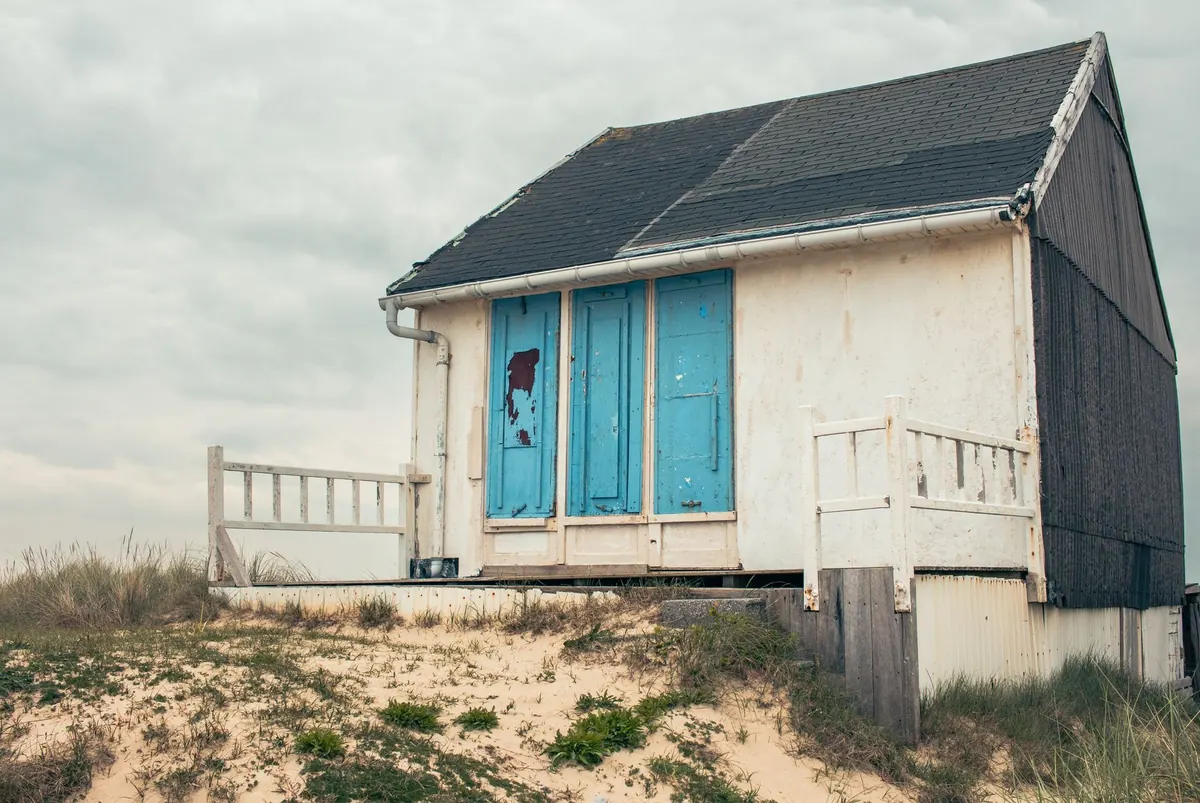
Vale Bay suits different trips in different ways, and the accommodation you pick shapes the week far more than the forecast does. Book a hotel on the front and you can be at the water before breakfast. Book a cottage two lanes inland and you will drive everywhere, but you get a garden, a washing machine and somewhere to hang four sets of wet kit. What follows is a straight comparison of the main options — hotels, B&Bs, self-catering cottages, plus caravan parks, lodges and glamping — judged on the four things that actually matter once you arrive: location, value, parking and family facilities.
Hotels: convenience and the shortest packing list
Hotels are the low-effort choice. Someone else changes the towels, breakfast is not your problem, and there is a reception desk when the traffic has been dreadful and you arrive later than planned. In a coastal town they tend to cluster either on the seafront or in the streets immediately behind it, which usually means the beach, the pubs and the shops are walkable.
Per night, a hotel is often the priciest way to sleep a family, but the gap narrows when breakfast for four is included and you are only staying two or three nights. Hotels also tend to be flexible about short breaks, which matters if you cannot spare a full week.
Parking is the trade-off. A seafront hotel may have a small car park with one space per room, or none at all and a pay-and-display a few streets away. Ask two direct questions when booking: is the parking on site, and is it included? "Parking available" can mean a permit for a road ten minutes' walk away.
On rooms, find out exactly what a family room contains. A double plus two singles is a very different proposition from a double plus a sofa bed, especially with teenagers. Cots are often free but limited, so request one at the time of booking rather than on arrival.
B&Bs and guesthouses: breakfast, local tips and smaller bills
Owner-run guesthouses sit in the middle on price and often lead on character. You get a cooked breakfast, a kettle in the room and, crucially, someone who knows which beach is sheltered when the wind swings round and which chip shop is worth the queue.
The savings are real outside July and August, though many places set two- or three-night minimums at weekends in season. Rooms are usually smaller than hotel rooms, and en-suite bathrooms can be compact.
Parking varies enormously. Some guesthouses have a driveway with a space per room; others sit on narrow terraced streets with on-street parking and a permit. Confirm before you pay a deposit, because a B&B with a gravel forecourt is a different experience from one where you circle the block at nine in the evening.
Family provision is thinner here. Some guesthouses do not take young children at all, or only in particular rooms. Breakfast is sometimes served in a single sitting at a fixed time, which is charming if you are up early and awkward with a baby who has other ideas.
Self-catering cottages: space, laundry and your own kitchen
Self-catering wins on space for your money, particularly for groups and stays of a week or more. You get a kitchen, which cuts the cost of eating out, and usually a washing machine and somewhere to dry towels and wetsuits. On a beach holiday with children, a machine and a drying rack are worth more than a second bathroom.
Read the small print carefully. Many cottages run Friday-to-Friday or Saturday-to-Saturday, so a midweek arrival can be impossible. Minimum stays, a cleaning fee added at checkout, and linen or towels charged separately all change the arithmetic. Logs for a wood burner are often not included either.
Parking is normally off-road, with one or two spaces. If you are bringing a second car, a trailer or a boat, ask rather than assume. On family facilities, cottages can be excellent — separate bedrooms, an enclosed garden, stairgates, a cot — but availability varies, so check which of those exist instead of hoping.
Caravan parks, lodges and glamping: the middle ground
Static caravans and lodges are strong value for larger groups, because the cost per head falls as the party grows. On-site facilities often include a play area, a small shop, a pool or a clubhouse. Parking is typically beside the unit, which makes unpacking easy. If you want quiet evenings, ask whether your pitch is near the entertainment venue.
Glamping pods and shepherd's huts sit somewhere between camping and a hotel room. Check whether there is a private bathroom, running water and heating, and whether bedding is provided. A pod with a kettle and a fan heater is a different proposition from one with a log burner and a proper bed.
Location, parking and value: how the three interact
Seafront
You pay a premium for walkability. Expect more noise — gulls, bars, delivery vans at dawn — and the hardest parking of the lot. Ask for a room away from the road if you are a light sleeper.
Village or town centre
Shops, pubs and takeaways on foot, beach a short drive or a fifteen-minute stroll away. Prices are moderate and parking is usually one space per unit.
Edge of town and inland
Gardens, space, quiet and the best value for larger groups. The catch is that you will drive for milk, dinner and the beach. If you are paying for beach car parks every day, add that to the weekly cost before declaring a bargain.
Ask about parking before you ask about the view. A sea view is worth little if you spend twenty minutes every evening hunting for a space.
Family facilities: what to check before you book
- Cots and highchairs: free or charged, and how many are available?
- Stairgates, socket covers and whether the garden is properly enclosed.
- Ground-floor rooms and step-free access for buggies or grandparents with limited mobility.
- Laundry access, or at least a drying rack and a line.
- Freezer space for ice packs and a cool box.
- Distance to the nearest shop for milk, and to a beach with lifeguard cover if you plan to swim.
- Wi-Fi that actually reaches the bedrooms, if teenagers are coming.
Booking well: a practical routine
- Decide how often you will genuinely use the car. That single answer tells you whether a seafront postcode is worth the extra.
- Write down your non-negotiables: parking, a cot, a ground-floor room, laundry, an enclosed garden.
- Check the terms — minimum stay, changeover day, cleaning fee, deposit and cancellation policy.
- Email the property with your two or three key questions and keep the reply.
- Book direct where you can. You will get a straighter answer about practical details and more goodwill if plans change.
Deposits and cancellation terms are a contract, so read them before you pay and take proper advice if anything is unclear. Then match the stay to the trip rather than the other way round: a family who lives outdoors all day is happiest in a cottage with a garden hose, while a couple after two quiet nights will do better in a guesthouse with a forecourt and an early breakfast.
Photo: Virginia Brilli / Pexels