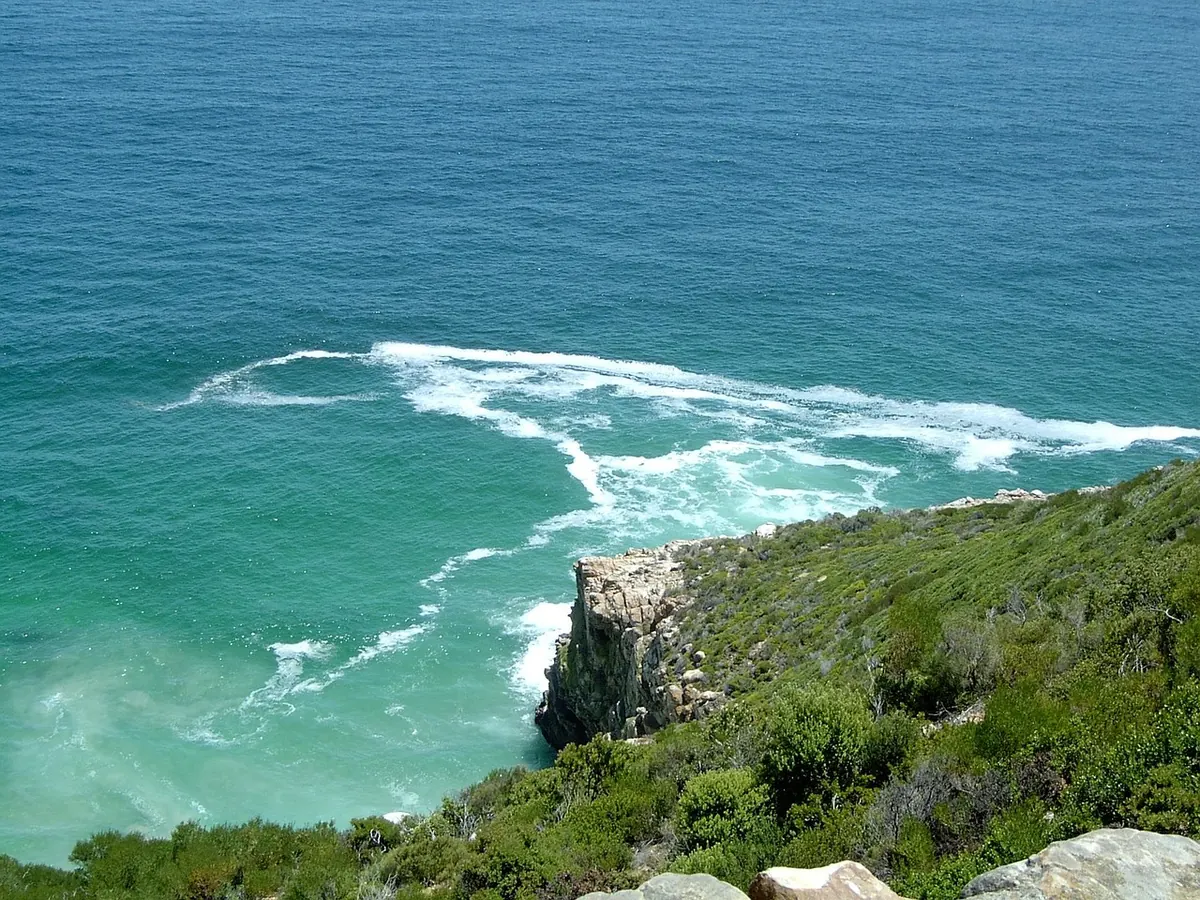
Vale Bay looks manageable on a map and then quietly swallows a whole day. The water curls in a long arc, the town climbs the hill behind it, and the headland at the western end keeps tempting you another twenty minutes further. First-timers often try to see everything in one afternoon and end up remembering none of it. What follows is the order that works, the sights that genuinely earn their place, and how to pace a first visit so you leave feeling you have been somewhere rather than driven through it.
Getting your bearings
Almost every mistake a first-timer makes comes from treating Vale Bay as a single destination. It is really three, and they sit in a line along the shore.
- The seafront — the promenade and the beach, with the busiest cafés and the easiest parking.
- The old harbour — a short walk west, where the working boats still moor and the streets behind the quay narrow into something much older.
- The headland — the high ground at the far western end, reached on foot, worth the climb for the view back across the whole bay.
The distances between them are small. You can stroll from the eastern end of the promenade to the harbour in well under an hour, and the headland is one more stretch beyond that. Everything worth seeing here is walkable, which is rather the point of the place. Leave the car where you parked it and stay on your feet.
The essential sights
The seafront and beach
Start here, because it is what you came for. The beach shelves gently, which makes it friendly for paddling and safe enough for a lazy swim, though there is no lifeguard cover out of season, so treat the water with the respect any open coast deserves. The promenade runs its full length and is flat, level and easy — the obvious choice if you are with small children, grandparents or anyone pushing a buggy. Benches face the water at regular intervals and the whole stretch catches the afternoon sun.
The old harbour
The harbour is the postcard. Fishing boats, a stone quay, ropes and buoys and the smell of salt and diesel. It is still a working place rather than a film set, so keep an eye out for moving vehicles and wet patches on the slime-covered stone. Behind the quay, the lanes climb steeply and unexpectedly, and this is where the town shows its age: low doorways, painted shutters, a pub that has clearly been there longer than anyone living remembers. Give yourself an hour to wander without a plan.
The headland path
This is the walk that turns a pleasant day out into a memorable one. The path leaves the harbour, climbs through gorse and rough grass, and after twenty minutes or so the entire bay opens up below you — the promenade reduced to a pale line, the harbour a cluster of masts. The going is uneven underfoot and steady rather than steep, and the outward leg is the harder half. Take water, wear something with grip, and allow an hour each way if you like to stop and look.
The town centre
Worth an hour on a wet afternoon or at the end of the day. A compact high street, a small museum covering the bay's fishing and shipbuilding past, and a handful of independent shops that are genuinely independent rather than a chain in disguise. Market day tends to be the busiest and the most rewarding; check locally for which day it falls on, as it shifts with the season.
A first-day route that works
If you have one day, use it like this. It follows the coast in one direction so you are never doubling back, and it saves your legs for the climb.
- Arrive early and park at the eastern end of the promenade. Spaces vanish by mid-morning in summer, and an early start gives you the beach at its quietest.
- Walk the full seafront westwards. No rush. This is your orientation, so note where you fancy eating later.
- Stop at the harbour for coffee and a wander through the back lanes. Half an hour minimum, longer if the weather is kind.
- After lunch, tackle the headland. Go out along the cliff path and come back the same way unless you have checked a map and are confident of the inland route.
- Return along the promenade as the light softens, and eat somewhere you spotted on the way out.
That is a full day without being a forced march. If you are short of time, cut the headland rather than the harbour — the view is glorious, but the harbour is the heart of the place.
Timing your visit
Two things shape a day here: the tide and the crowds. Check a local tide table before you set off, particularly if you plan to walk the headland path or explore the rocks at the base of the cliffs. Some sections are cut off at high water, and it is far easier to plan around the tide than to be caught by it.
Mornings are calm and photogenic; the bay faces roughly west, so the best light arrives in the late afternoon and evening. Weekends in high summer are busy, and parking becomes a genuine test of patience. Shoulder season — late spring and early autumn — is the sweet spot: quieter, cheaper, and often warmer than visitors expect. Winter has its own appeal if you like empty beaches and bracing walks, but check that cafés and attractions are open before travelling far.
If you have a second day
Use it to slow down. Revisit the harbour in the early morning when the boats are landing, walk a different stretch of the headland, or head inland for the footpaths that follow the valley behind the town. A second day is also the moment to do the small things properly: sit in a café with a book, swim before breakfast, watch the sun go down from the western end of the promenade. Vale Bay rewards repetition more than it rewards ticking off sights.
Practical points for a first visit
A few small preparations make a real difference.
- Shoes matter. Trainers are fine for the promenade; the headland path wants something with tread.
- Pack layers. Coastal weather changes quickly, and the wind on the cliffs can be noticeably stronger than on the seafront.
- Take water and a snack. Facilities thin out considerably once you leave the town.
- Check tide times and the forecast the night before, not on the morning.
- Bring a card and a little cash. Smaller places sometimes prefer one or the other.
- Expect patchy phone signal on the headland. Download an offline map before you go.
Sunscreen is worth carrying even under cloud, and if you are swimming, go with someone else and stay within your depth. Finally, allow more time than you think you need. Vale Bay is not a place that suits a schedule, and the best moments here tend to happen in the gaps between the things you planned.
Photo: Pixstar / Pixabay